
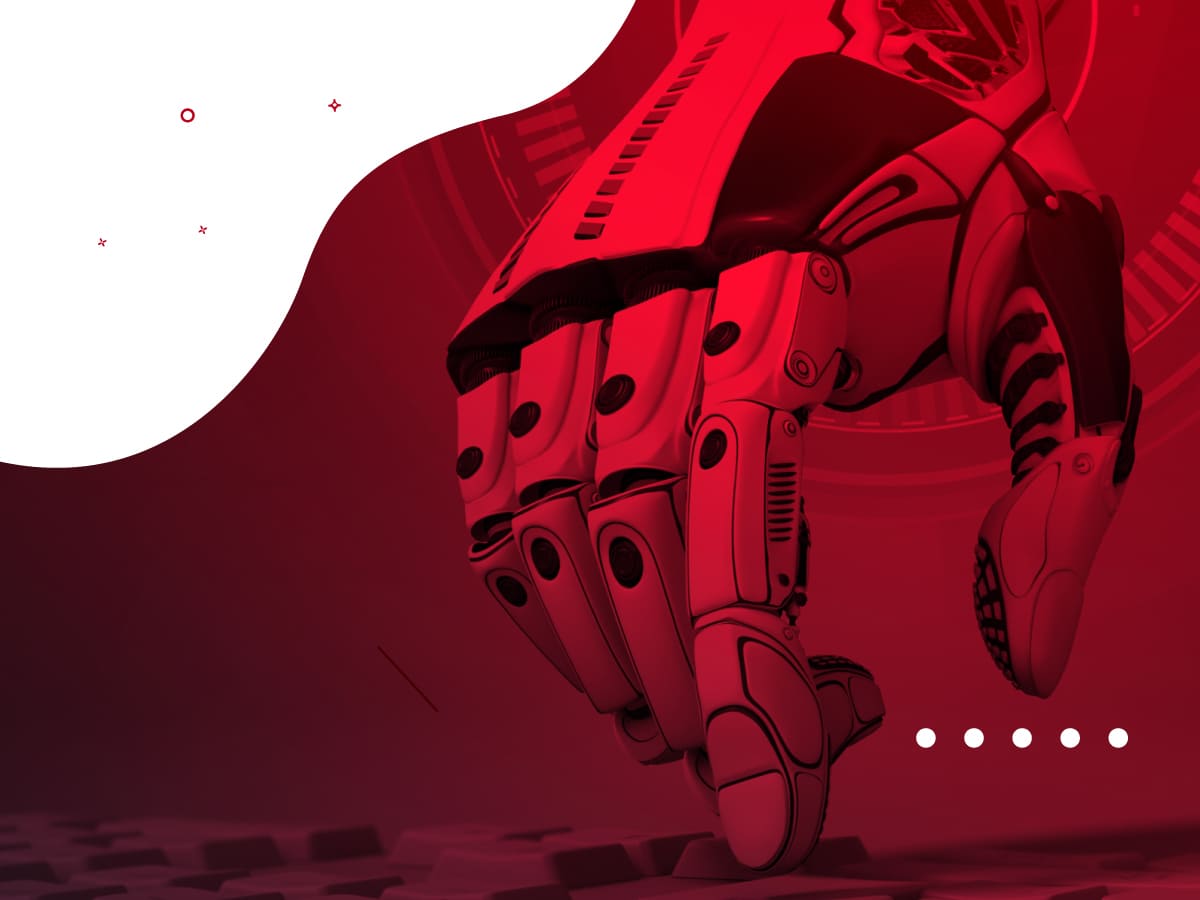
The future that technology holds
Today it is possible to replicate the behavior of humans through automation through RPA, we can imitate the interaction that people carry out in digital computing media.
The reduction of time, lightening of workloads, the reliability of the data collected, the reduction of costs and the elimination of errors, have determined that companies and institutions opt for the automation of processes for the purposes of performance, efficiency and avoid burdening people with repetitive and routine tasks.
Today software robots are capable of executing apps, managing files, completing spreadsheet data, recognizing information in text, digital or handwritten documents, recognizing biometric information, among many others. The possibilities are many and have given way to the liberation of time for humans to carry out activities of greater value.
Nowadays
The global market, in terms of automation, has experienced significant growth, where it is expected that by 2023, most companies and institutions will be using these technologies, reaching an automation spend of around 10.4 billion dollars.
Although the projection of expenses in technological investment is divided between Intelligent Automation Processes (IPA), Artificial Intelligence and RPA, the growth that the latter will experience is around 50% in just three years.
The Covid-19 context has caused more markets to rush to these technological transformations, given that distancing, capacity and different emergencies have required cost reduction, speeding up work, avoiding errors and process innovation.
Difficult or crisis periods are the best time to think well and rethink certain situations that lead us to use our ingenuity to get ahead and not give up. Returning to normality from this pandemic will not be as if nothing had happened, it has already transformed our reality, our behavior, also the markets and jobs.
We will have to accept the changes to stay in the market and the adoption of RPA technologies can make institutions, companies and industries more solid to withstand the onslaught of crises (of any kind), since it allows us projections in the future considering the different and adverse scenarios.
Post-Covid RPA
Although we are apparently getting ahead of this pandemic, which has left us confined and afraid; advancing to normality has been largely thanks to the adoption of RPA technologies, which has made significant management of hospital processes, which prevented system saturation.
The technology has been implemented, returning to normality does not mean going back to the previous point, before the pandemic. Today we must continue to advance so that more and more digital processes can be in charge of automation, for all the benefits that this provides. Health institutions also play an important role in the Digital Transformation of the world.
The benefits that we can already appreciate today from the RPA in health: Management of large volumes of test requests, speeds up the admission of patients, avoids errors made by professionals, and also frees them from administrative and logistics tasks, to that they can fully dedicate themselves to their essential function.
Undoubtedly, there are many applications that RPA can have in the world of health, such as support in call centers, which reduces waiting time; access to patient data; remote staff training, among others.
RPA in all sectors
The RPAs can adapt to the different markets and industries, in companies of different magnitudes, covering the most diverse needs, in each category the automation of processes could be accepted. The world is reorganizing itself in the face of the maelstrom of a changing world.
Streamline response times, administrative work, teleworking, e-learning, customer service, remote assistance, the public system, universities, the construction industry; All things considered, all activities that present digital processes are candidates for automation.
The benefits are fast, they are reliable, the security is granted by the system that protects itself by not passing through human hands and eyes. The range is overwhelming. The change is in the attitude and intention of organizing and not fearing these initiatives.
Soon a large part of the interactions will be carried out by robotization; jobs will not be lost, but we will take responsibility for bringing personal potential to fullness. Our work activity will become more pleasant and we will gain time to share with our loved ones. Our human work will be valued as essential.

 EN
EN  ES
ES  PT
PT